
Cultural shifts are an inevitable part of human history, but the generational friction occurring today feels far more accelerated than in previous decades. Gen Z has grown up in an era where national borders are blurred by the internet and social media algorithms. In Indonesia, the emergence of this new culture has sparked fierce debate. Many cultural observers and older generations argue that Gen Z’s lifestyle, communication style, and mindset are gradually eroding—even damaging—the foundations of traditional Eastern culture that have been preserved for centuries. However, is this truly a form of moral degradation, or is it simply an unavoidable cultural evolution?
The “Backwoods” Stigma and Local Cultural Inferiority
One of the most concerning impacts of digital globalization is the emergence of a double standard in cultural appreciation. Among a large portion of Gen Z, a shift in perception has occurred where anything Westernized or foreign is viewed as the benchmark for cool, modern, and high-class.
Conversely, elements of traditional culture often face negative sentiment. Attending traditional puppet shows, listening to regional music, or participating in local customary rituals are frequently dismissed as boring, outdated, and “kampungan” (backwoods or unsophisticated). There is also a tendency where young people feel more proud and intellectual when slipping English phrases into every sentence, while speaking regional languages fluently is perceived as uncool. Data from linguistic agencies has even shown that dozens of local languages in Indonesia are threatened with extinction because the younger generation no longer uses them in daily conversation.
The Digital Nomadism Culture and Cultural Gentrification
Gen Z deeply values work flexibility, which has given rise to the work-from-anywhere culture. This phenomenon has triggered a wave of migration of urban youths to regions deeply rooted in traditional culture, such as Bali or Yogyakarta.
This culture has a destructive socio-economic impact because their arrival drives up property prices and the cost of living in those areas, effectively marginalizing indigenous communities from their own ancestral lands. Instead of integrating and respecting local customs, these digital workers often create exclusive community bubbles that largely ignore the social rules of the local population.
Communication Degradation Due to a Digital Literacy Crisis
Despite being labeled as digital natives, reality on the ground shows that Gen Z possesses a high vulnerability to digital literacy crises. The traditional communal attitude that prioritizes clarification and calm dialogue has collapsed under the weight of hyper-fast information streams.
Gen Z tends to consume information in fragments through short-form videos on social media. This makes them easily swayed by provocative narratives, hoaxes, and hate speech designed specifically to drive social media engagement. Consequently, digital discussion spaces are filled with insults and shallow arguments, destroying the heritage of polite, consensus-driven deliberation passed down by ancestors.
Deconstructing the Traditional Family Structure
In traditional Indonesian culture, the family is the most sacred unit of society. Marriage and having children are not seen merely as personal lifestyle choices, but as a cultural mandate to continue the lineage and maintain social balance.
Gen Z is radically breaking away from this through the adoption of new values that disrupt the old social structure, such as the growing trend of choosing to remain unmarried or childfree due to financial concerns or personal trauma. While this is an individual right, from a cultural standpoint, this trend threatens the existence of traditional kinship systems—such as the concept of family clans or ancestral lineages—and raises concerns about future demographic stagnation.
The Collapse of Politeness and the Normalization of Aggressive Slang
Indonesian culture highly values the concept of social deference, hierarchical etiquette, and maintaining social harmony through softened speech. Gen Z culture, however, dismantles this by championing radical honesty and authenticity.
Gen Z prefers to speak bluntly without pleasantries. In the eyes of older generations, this attitude is often labeled as impolite, insolent, or disrespectful of age hierarchies. Furthermore, the use of loanwords from internet slang that lean toward being harsh and aggressive has now been normalized in everyday conversations.
The Erosion of Consensus in Favor of Cancel Culture
Another social reality that has changed drastically is the method of conflict resolution. Traditional Indonesian culture prioritizes consensus, mutual agreement, and resolving problems discretely within the family or community to preserve collective honor.
Gen Z culture on social media flips this paradigm upside down through the phenomena of digital ostracization and doxxing. When someone is perceived to have violated a norm, instead of being corrected privately and constructively, netized Gen Z individuals tend to immediately publicize the grievance through viral threads, engage in cyberbullying, and systematically destroy the person’s livelihood without leaving any room for healthy dialogue.
The FOMO Effect and Cultural Economic Disparity
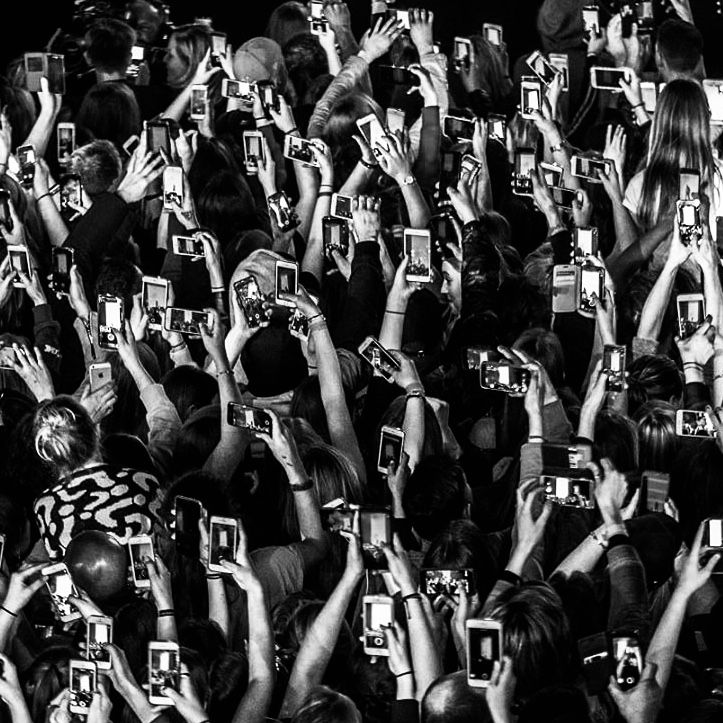
Massive economic disparities within the cultural sector also occur due to the fear of missing out, which is highly characteristic of Gen Z. They are willing to save for months, go into debt using paylater features, and endure packed crowds just to buy tickets for international concerts that cost millions of rupiah.
Conversely, local cultural festivals, traditional art exhibitions, or regional theater performances that cost very little—or are even free—frequently suffer from empty seats. This happens because local events are deemed to lack the high social prestige required to be flaunted on social media feeds.
The Other Side of the Coin: Breaking the Stigma We cannot turn a blind eye to the fact that not all Gen Z individuals are indifferent. Some are fighting hard to break this “unsophisticated” stigma using the exact same weapon: virality. Through movements celebrating traditional textiles, they have successfully turned traditional sarongs and fabrics into urban streetwear trends. Several Gen Z musicians have also successfully fused traditional gamelan music with hip-hop or electronic dance music, proving that traditional does not always have to mean obsolete.
Gen Z culture certainly disrupts several old rules that are seen as hindering individual freedom and self-expression. The sentiment that local culture is unsophisticated, the shifting structure of the family, and the rise of digital disinformation serve as warning signs for national identity. However, culture is never static. What we call traditional culture today may well be the result of a radical modification of cultures from hundreds of years ago. The greatest challenge today is not to halt Gen Z’s progress, but to erase these negative stigmas and bridge past moral values so they remain relevant and a source of pride for future generations.